
Manual textile sorting is a major industry bottleneck – it's slow, labor-intensive, and error-prone. Efficient collection and sorting is essential for material reuse/resale and waste reduction.
The solution?
Automated, RFID-enabled textile sorting.
The evidence?
Our real-world pilot results:
Up to 99% reduction in manual scanning hours (ReCircled)
Up to 90% time savings in garment check-in at high-volume facilities (ACS)
Up to 99% garment identification accuracy – even on black garments and mixed fibers (TEXAID)
Up to 99% scanning accuracy with RFID – compared to 72-89% with manual methods (ReCircled)
New value streams unlocked, from maximized duty drawback to high-grade material recovery.
Learning, knowledge-sharing, and collaboration are key to helping the wider fashion industry transition from manual to automated textile sorting. That’s why, in recent years, Avery Dennison has partnered with leading organizations across the world to demonstrate how RFID technology can transform textile circularity operations. These pilots cover the sorting of returns, deadstock, and post-consumer textile sorting for repairs, resale, and other purposes.
1. ReCircled (US): Unlocking value through automated returns and recycling
The Challenge: Processing massive volumes of returns and deadstock is traditionally a cost center. For brands in the US, recovering "Duty Drawback" (refunds on duties paid for imported goods that are later exported or destroyed) is a complex, data-heavy process that is often too expensive to perform manually at scale.
The Solution: ReCircled integrated Avery Dennison’s RFID technology to automate the intake of thousands of unique items. By digitizing the "first life to second life" transition, every garment was instantly identified and tracked through the sorting and recycling process.
Key Results:
Duty drawback reporting: Automated the precise data collection required to claim duty refunds, turning a logistical headache into a significant financial recovery stream.
Operational leap: Reduced manual scanning hours by 99% and increased identification accuracy to 99% (compared to 72% for manual methods).

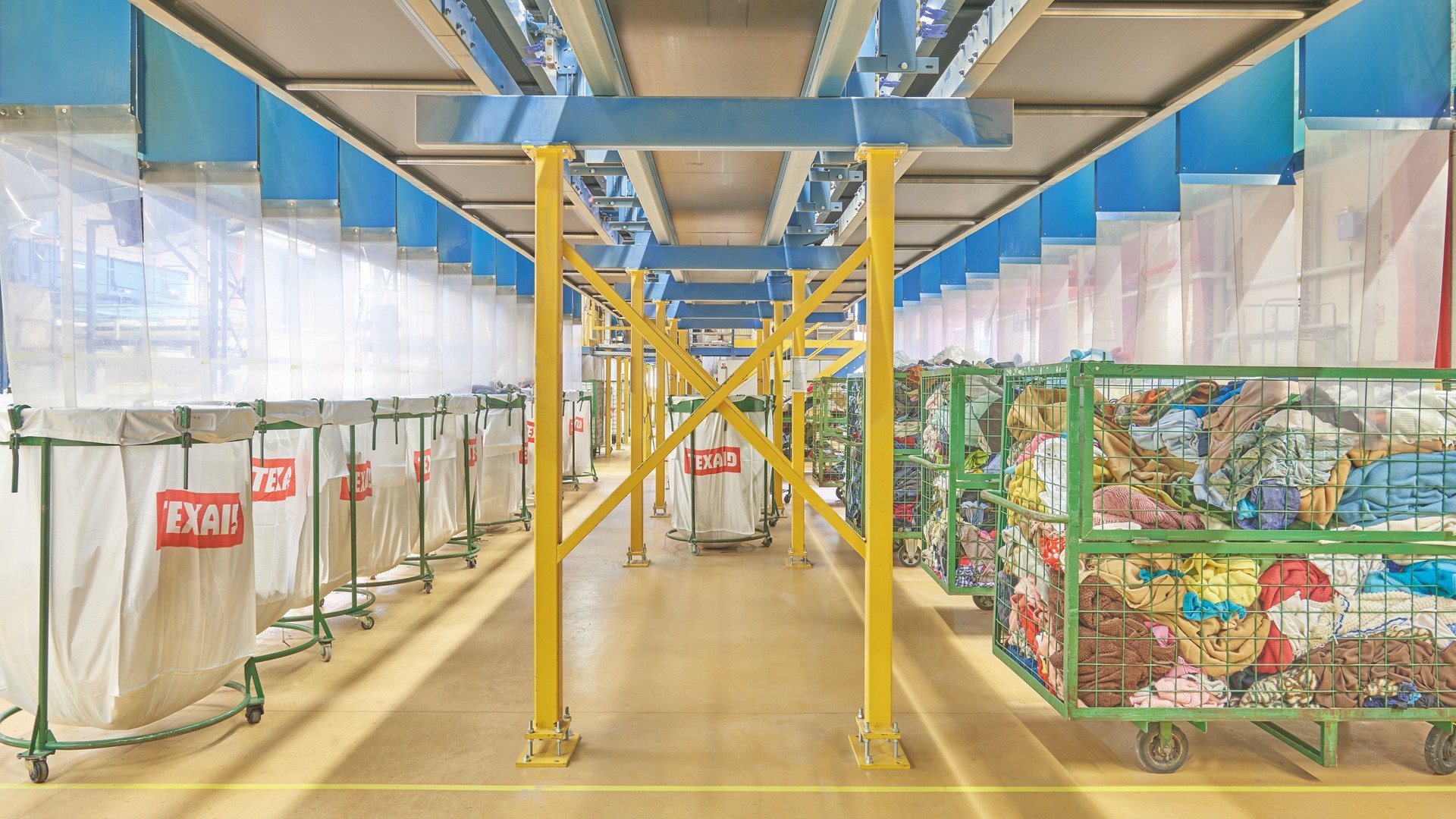
2. TEXAID (EU): Revolutionizing sorting with RFID and NIR
The Challenge: To achieve "fiber-to-fiber" recycling, sorters must know the exact material composition of a garment. However, many garments have missing care labels, and traditional Near-Infrared (NIR) spectroscopy can struggle with dark colors or complex fiber blends.
The Solution: This pilot combined NIR sorting with RFID digital triggers. By reading the embedded RFID tag, the system instantly pulled the "digital twin" data of the garment – including its exact fiber composition – to guide the automated sorting bins with 100% certainty.
Key Results:
Eliminating blind spots: Achieved 99.9% identification accuracy, successfully identifying black garments and mixed-fiber products that typically defeat standard optical sensors.
Industrial velocity: Demonstrated the ability to sort at a scale and speed (60 items per minute) that manual processing simply cannot match, meeting the demands of upcoming EU textile legislation.
3. ACS Clothing (UK): Powering the future of reuse and rental
The Challenge: The "Reuse" model (rental and subscription) is operationally intense. Each garment must be checked in, cleaned, repaired, and re-shipped dozens of times. Without item-level visibility, managing this "reverse logistics" flow at high volume is nearly impossible.
The Solution: ACS utilized RFID to track the entire lifecycle of garments within their circular hub. From the moment a rental return arrives to its journey through ozone cleaning and repair, the digital ID ensures the garment is never "lost" in the system.
Key Results:
90% faster check-ins: Drastically reduced the time required to associate a returned garment with a customer account, allowing for same-day processing.
Extended product life: Provided a complete "health record" for each item, allowing ACS to optimize repair schedules and maximize the number of times a garment can be reused before recycling.

“The evidence is clear. Organizations that invest in RFID technology today will lead tomorrow’s circular economy.”
Mathieu De Backer
VP, Enterprise IL innovation, Avery Dennison
For a full analysis on this topic and actionable strategies for integrating RFID technology into your organization, read the white paper.
Want more? Sign up for The Connected Thread Newsletter – the latest insights and innovations in RFID, delivered to you quarterly.